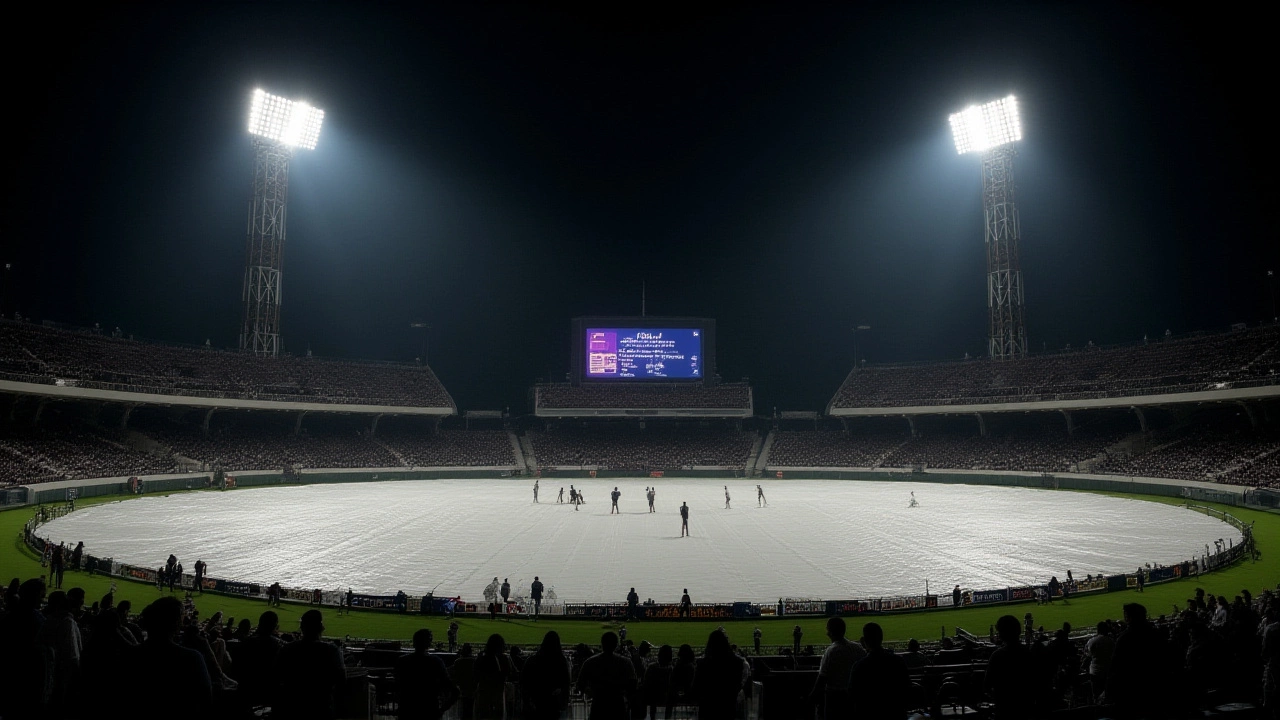
With the IPL 2026 league stage wrapping up on May 24, fans and teams are staring down a new adversary: the weather. As the tournament heads into its high-stakes knockout phase starting May 26, organizers have laid out strict protocols for rain-affected matches. Here’s the thing—unlike the league stage, where a washed-out game simply awards one point each, the playoffs operate under a completely different set of survival rules.
The stakes couldn’t be higher. We’re talking about matches that decide who lifts the trophy, yet nature has a habit of ruining the party. With North India seeing unexpected showers even before the tournament began in late March, the BCCI has clarified exactly how winners will be decided if the skies open up during these critical games.
League Stage vs. Knockouts: A Tale of Two Rules
First, let’s clear up the confusion between the regular season and the playoffs. During the league stage, which saw 58 matches played so far, the approach is pragmatic. If rain prevents a match from being completed, both teams get one point. There is no reserve day for league fixtures. Organizers do allow up to 60 minutes of extra time to try and finish the game on the scheduled day, but if it doesn’t happen, it doesn’t happen.
But wait—the moment you cross into the knockout zone (Qualifiers and Eliminator), the gloves come off. The patience for delays doubles. For playoff matches, organizers will allow up to 120 minutes of extra time after the scheduled start or interruption. That’s two full hours to try and get a result. This isn’t just about fairness; it’s about ensuring the best team advances without relying solely on points tables.
The Hard Stop: Cut-Off Times Explained
Even with extra time, there’s a hard limit. For night matches, the cut-off time is set at approximately 11:56 PM. This is the absolute deadline. If a match is scheduled to start at 7:30 PM but gets delayed by rain, officials will try to fit in at least five overs before this cut-off. Why five? Because that’s the minimum required to apply the Duckworth-Lewis-Stern (DLS) method effectively in many scenarios.
If the match cannot start or resume by 11:56 PM, or if fewer than five overs can be bowled in the second innings, the game is declared a "No Result." In the league stage, this means shared points. In the playoffs? It gets complicated—and potentially brutal.
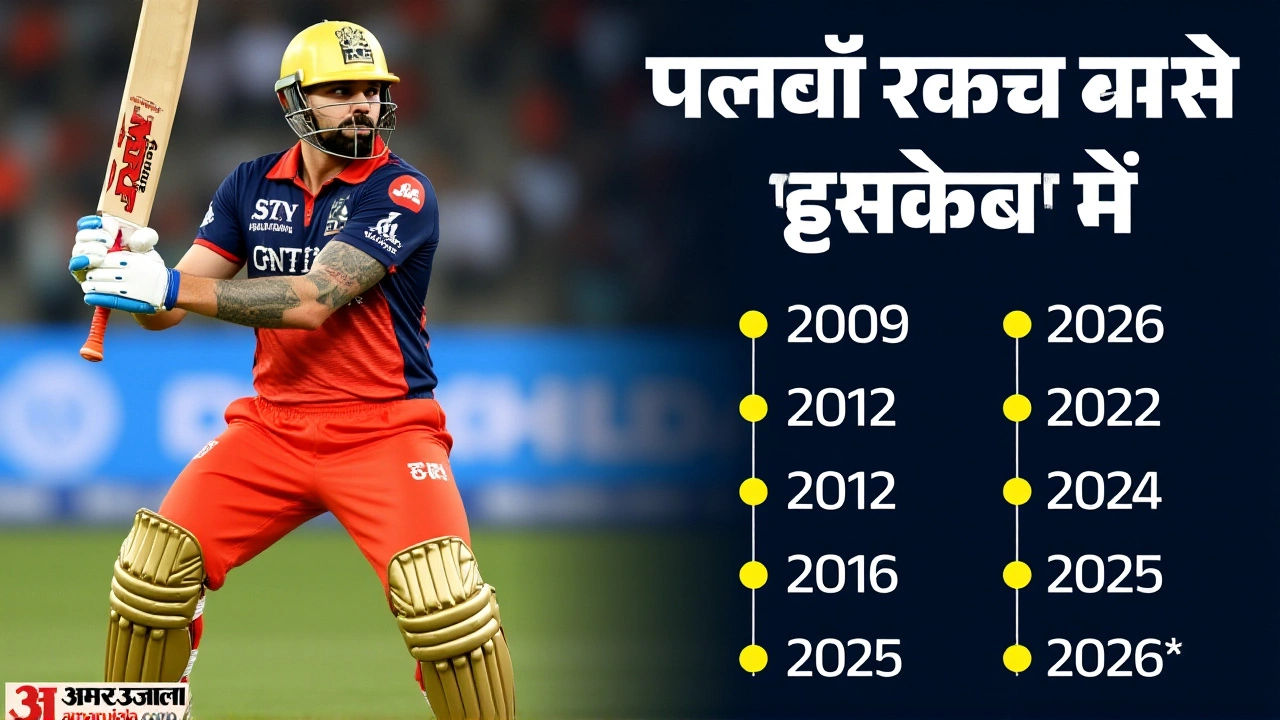
No Reserve Day for Playoffs (Except the Final)
Here’s the twist that catches most fans off guard. Unlike Test cricket or some other tournaments, there is no reserve day for Qualifier 1, Qualifier 2, or the Eliminator. Only the IPL Final has a designated reserve day.
This means if rain washes out a playoff match entirely, the winner isn’t determined by replaying the game. Instead, the team higher on the points table advances. Yes, you read that right. Your performance in the league stage could suddenly become your lifeline in the knockout rounds. It’s a harsh reality check for teams that might have slacked off early on, thinking only head-to-head results mattered.
For the Final, however, the reserve day saves the day. If the final match on the scheduled date is abandoned due to rain, it resumes on the next day from where it left off. Scores, wickets, and overs remain intact. It’s a continuation, not a restart.
How the DLS Method Saves the Day
If play starts but then stops, the Duckworth-Lewis-Stern (DLS) method comes into play. But there’s a crucial caveat: at least five overs must be bowled in the second innings for DLS to determine a winner. If the chasing team faces fewer than five overs, the match is a No Result.
We’ve already seen this in action. In a rain-affected match in Guwahati earlier in the tournament, Rajasthan Royals posted 150/3 in just 11 overs. Mumbai Indians failed to chase it down, losing by 27 runs under DLS calculations. This example highlights how quickly targets adjust when resources (overs and wickets) change mid-game.
What Happens If Not a Single Ball Is Bowled?
In the unlikely event that a playoff match cannot begin at all—or if a Super Over is impossible to conduct—the team ranked higher on the points table advances. Organizers will always attempt to call a Super Over first if the main match ends in a tie after valid overs. But if weather makes even that impossible, the points table becomes the ultimate judge.
This rule emphasizes why every run and win in the league stage matters. You never know when the weather will step in as the twelfth man.
Frequently Asked Questions
Is there a reserve day for IPL 2026 playoff matches?
No, there is no reserve day for Qualifier 1, Qualifier 2, or the Eliminator matches. Only the IPL Final has a reserved backup day. If a playoff match is abandoned due to rain, the team higher on the points table advances to the next round.
How much extra time is allowed for rain interruptions in playoffs?
Organizers allow up to 120 minutes (2 hours) of extra time for knockout matches to complete the game. This is double the 60-minute allowance given for league stage matches. However, there is a hard cut-off time of approximately 11:56 PM for night games.
When is the DLS method applied in rain-affected matches?
The Duckworth-Lewis-Stern (DLS) method is used if a match is interrupted after it has started. Crucially, at least five overs must be bowled in the second innings for a result to be declared via DLS. If fewer than five overs are faced, the match is declared a No Result.
Who wins if an entire playoff match is washed out?
If no balls are bowled or a Super Over cannot be conducted, the team ranked higher on the overall points table advances. This rule underscores the importance of league-stage performance, as it serves as the tiebreaker in extreme weather scenarios.
Does the IPL Final reset if it rains?
No, the Final does not reset. If the match is interrupted or abandoned on the scheduled day, it resumes on the reserve day from the exact point where it stopped. All scores, wickets, and overs remain valid.