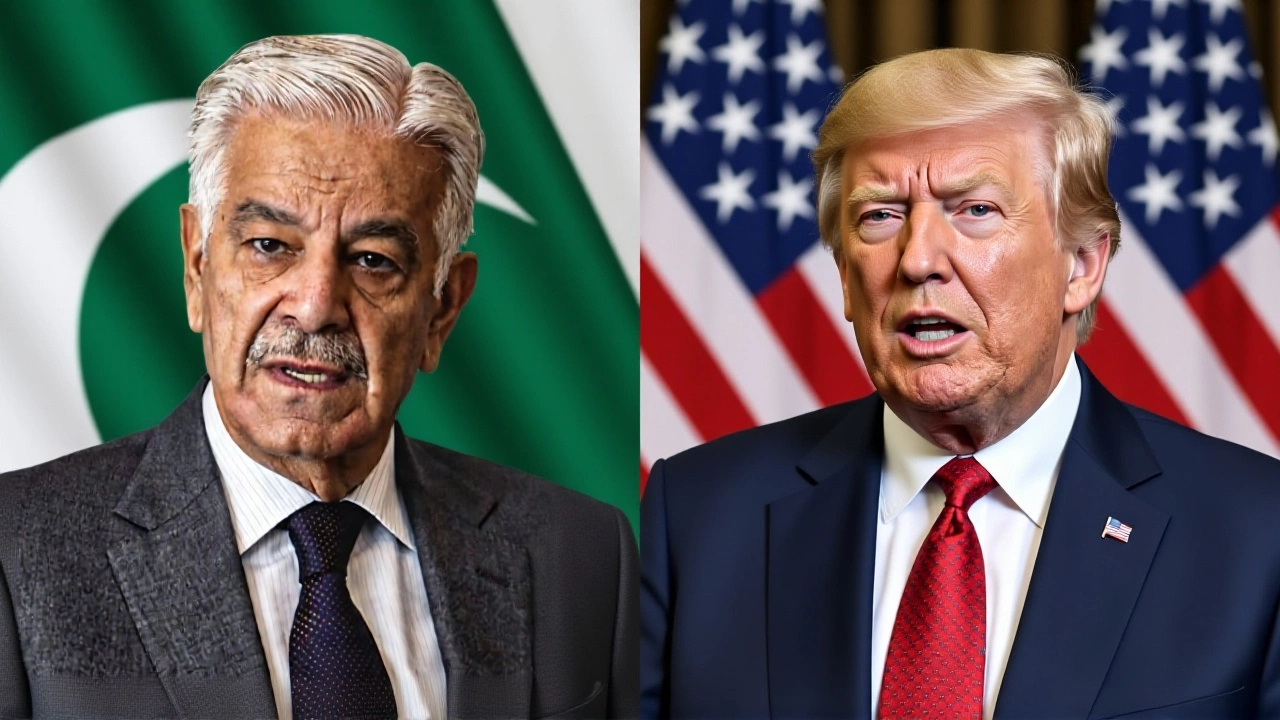
When Donald Trump, President of the United States, demanded that Muslim-majority nations join the Abraham Accords framework on Monday, he didn’t just make a suggestion. He issued what analysts are calling a "stern diplomatic ultimatum." The target? Pakistan, among others. The demand was blunt: recognize Israel formally or risk being left out of a broader Middle East peace architecture tied to potential deals with Iran.
But here’s the twist. Pakistan didn’t waver. In fact, it slammed the door shut.
On May 26, 2026, reports from Hindi news channel Aaj Tak confirmed that Islamabad has categorically rejected the proposal. The rejection wasn’t subtle. It was rooted in decades of policy, ideological stance, and national identity. For Pakistan, recognizing Israel isn’t just a diplomatic choice—it’s viewed as a betrayal of its founding principles.
The Ultimatum That Shook Diplomacy
Trump posted his demands on Truth Social, his preferred social media platform, framing the move as essential for regional stability. He labeled joining the Abraham Accords as "mandatory" for countries like Pakistan, Saudi Arabia, Qatar, and Turkey if they wanted to be part of any future peace deal involving Iran.
This wasn’t just about trade or security cooperation. It was about normalization. And for Pakistan, that’s a non-starter.
According to analysis by StudyIQ IAS, presented by Ankita Agrawal, Trump linked this push directly to a possible U.S.-Iran agreement. The logic? A comprehensive Middle East reset requires all key players at the table—including those who’ve historically opposed Israel.
But Pakistan sees it differently. To them, this isn’t diplomacy. It’s coercion.
Why Pakistan Said No
Khawaja Muhammad Asif, Defense Minister of Pakistan, made his position crystal clear during an interview with Aaj Tak. When asked if Pakistan would sign the Abraham Accords after Trump’s statement, his response was unequivocal: "Absolutely not acceptable."
Asif emphasized that such an agreement violates Pakistan’s "core ideology." He pointed to a symbolic but powerful detail: Pakistani passports do not list Israel as a valid travel destination. This isn’t an oversight. It’s a deliberate political statement dating back 78 years.
"We are the only country whose passport doesn’t even mention Israel," Asif said proudly. "That reflects our historical and ideological stance. We have never recognized Israel, and we will not start now."
This passport policy, highlighted by StudyIQ IAS, serves as a tangible reminder of Pakistan’s unwavering position. It’s not just bureaucracy—it’s symbolism. Every time a Pakistani citizen travels abroad without Israel stamped as a permissible destination, it reinforces a national narrative of solidarity with Palestine.
The Ideological Line in the Sand
Pakistan’s refusal isn’t new. Since its creation in 1947, the country has maintained a consistent foreign policy opposing Israeli statehood until a two-state solution is achieved. Security officials echoed Asif’s sentiments, describing the Palestinian issue as "non-negotiable."
For many in Pakistan, supporting Palestine isn’t just politics—it’s religion, history, and identity intertwined. Any move toward normalizing ties with Israel is seen as abandoning millions of Palestinians suffering under occupation.
Even within military circles, there’s zero appetite for compromise. Analysts note that Pakistan’s establishment views itself as a guardian of Islamic causes globally. Joining the Abraham Accords would undermine that self-image—and potentially destabilize domestic support for the government.
What Are the Abraham Accords Anyway?
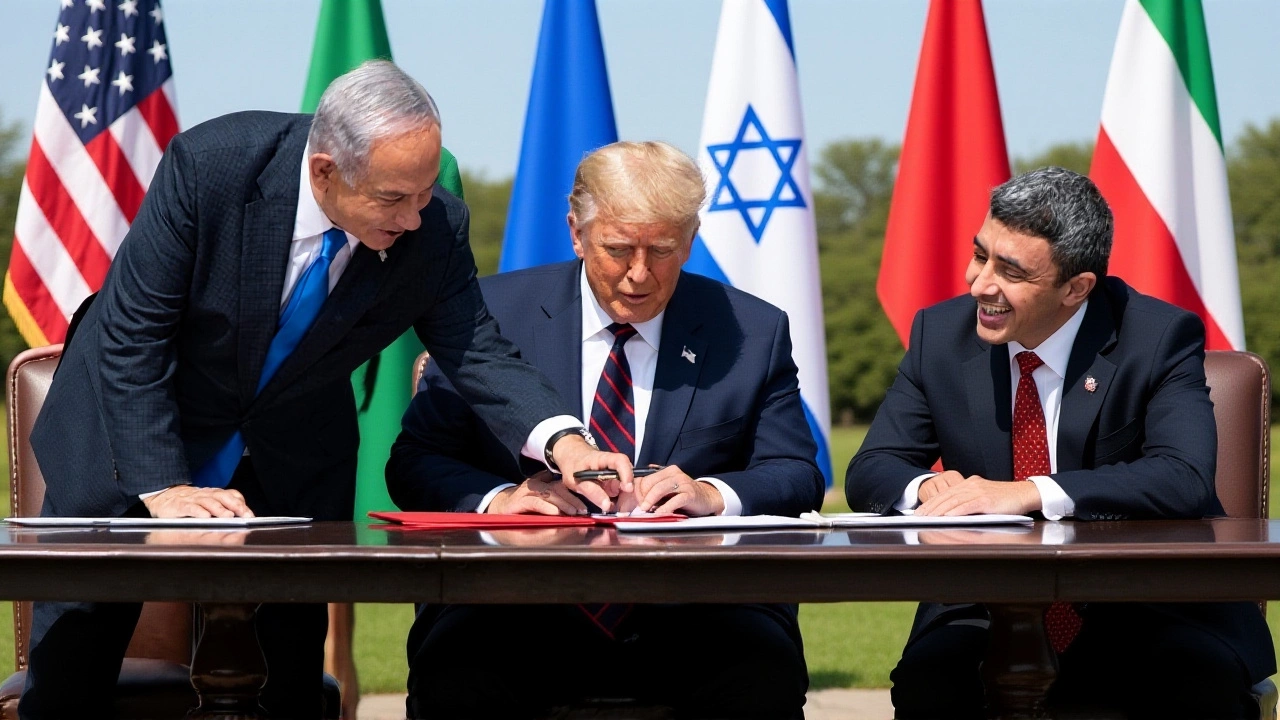
To understand why this matters so much, you need to know what the Abraham Accords actually are. Brokered by Trump during his first term in 2020, these agreements normalized relations between Israel and several Arab nations, starting with the United Arab Emirates.
The name itself carries weight. "Abrahamic" refers to Judaism, Christianity, and Islam—three faiths tracing their lineage to Prophet Abraham (Ibrahim). The idea was to frame peace as a shared heritage among descendants of Abraham, bridging religious divides through cooperation.
So far, signatories include the UAE, Bahrain, Morocco, and Sudan. But expansion has stalled. Now, Trump wants to drag more countries into the fold—even those with deep-seated objections.
Regional Ripple Effects
If Pakistan refuses, what happens next? Experts warn of strained U.S.-Pakistan relations. Washington may reduce aid, limit defense sales, or exclude Islamabad from multilateral initiatives. Yet, Pakistan has faced pressure before—and survived.
Saudi Arabia and Turkey, also named by Trump, haven’t responded positively either. While Riyadh engages quietly with Israel on security issues, public endorsement remains off the table. Ankara continues to criticize Israeli actions in Gaza.
The real test comes with Iran. If a U.S.-Iran deal materializes, will other Muslim-majority states feel compelled to follow suit? Probably not. Public opinion across the region still overwhelmingly supports Palestine. Governments can negotiate behind closed doors—but openly embracing Israel risks backlash at home.
Looking Ahead: What Changes Next?
For now, nothing shifts. Pakistan won’t recognize Israel. It won’t join the Abraham Accords. And it certainly won’t let external pressure dictate its foreign policy.
But watch for indirect consequences. Could economic sanctions loom? Might intelligence sharing decrease? Will China step in to fill any vacuum left by distant American influence?
One thing is certain: Pakistan’s stance sends a message louder than words. Some lines cannot be crossed—not even for peace.
Frequently Asked Questions
Why does Pakistan refuse to recognize Israel?
Pakistan has never recognized Israel since its inception in 1947 due to its strong support for the Palestinian cause. Recognizing Israel contradicts Pakistan’s core ideological foundation, which emphasizes justice for oppressed Muslims worldwide. Additionally, public sentiment strongly opposes any normalization efforts without a viable two-state solution for Palestinians.
What exactly are the Abraham Accords?
The Abraham Accords are a series of normalization agreements brokered by former U.S. President Donald Trump in 2020 between Israel and several Arab nations, including the UAE, Bahrain, Morocco, and Sudan. Named after the common patriarchal figure in Abrahamic religions, the accords aim to foster regional cooperation and peace through diplomatic and economic ties.
How did Donald Trump try to force Pakistan into joining?
Trump used his Truth Social platform to declare participation in the Abraham Accords as 'mandatory' for Muslim-majority nations like Pakistan, linking it to broader Middle East peace plans involving Iran. His approach amounted to diplomatic pressure rather than negotiation, suggesting exclusion from future deals unless compliance occurred.
What role does Pakistan’s passport policy play here?
Pakistani passports deliberately omit Israel as a valid travel destination—a unique global practice symbolizing non-recognition. Defense Minister Khawaja Asif cited this as proof of Pakistan’s longstanding ideological commitment against acknowledging Israel, reinforcing that no amount of external pressure will alter this fundamental policy.
Will other Muslim-majority countries follow Pakistan’s lead?
Likely yes. Countries like Saudi Arabia, Turkey, and Qatar face similar domestic pressures regarding Palestine. While some engage discreetly with Israel on security matters, none have publicly endorsed normalization. Regional governments prioritize maintaining legitimacy among populations sympathetic to Palestinian rights over yielding to Western demands.